

US-Saudi Nuclear Cooperation: Strategic Autonomy and the Decoupling from Normalization
This article was translated using artificial intelligence and the original language of the article is Arabic.
Two sources revealed to Reuters a fundamental shift in the US stance regarding civilian nuclear cooperation with Saudi Arabia. Washington no longer conditions the progress of nuclear talks on the normalization of ties with Israel. This development comes ahead of an anticipated visit by US President Donald Trump to Riyadh next week, signaling that the nuclear and security files have taken precedence in the bilateral relationship.
The End of the Normalization Mandate
- Decoupling the Files: Previously, the United States conditioned nuclear cooperation on Saudi-Israeli normalization. According to sources, Washington has now abandoned this prerequisite.
- A “Major Concession”: The report described this decision as a significant concession, reflecting a US desire to bolster its strategic alliance with Riyadh, particularly within the context of competition with other global powers.
The Civilian Nuclear Energy Agreement
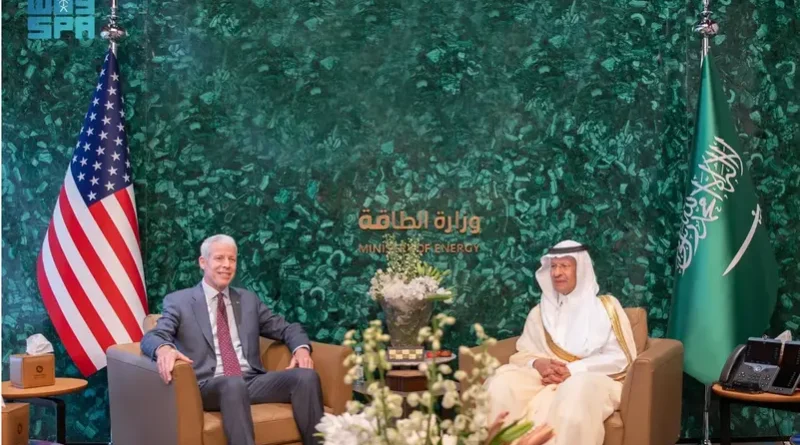
During his recent visit to Saudi Arabia, US Energy Secretary Chris Wright announced that the US is preparing to sign a long-term cooperation agreement that includes:
- The transfer of peaceful nuclear technology.
- The localization of the nuclear industry within Saudi Arabia.
Secretary Wright emphasized that the agreement “will take months, not weeks,” highlighting the complexity of the technical and legal frameworks involved.
The Saudi Nuclear Project
Saudi Arabia remains committed to advancing its peaceful nuclear program, including the construction of its first nuclear power plant to diversify its energy mix. Saudi Energy Minister Prince Abdulaziz bin Salman reaffirmed the Kingdom’s commitment to international standards, including the Comprehensive Safeguards Agreement with the International Atomic Energy Agency (IAEA).
Political and Economic Analysis
1. Saudi Strategic Autonomy: The report underscores that Riyadh has maintained its refusal to link normalization with other dossiers, asserting that any step toward Israel remains contingent upon a resolution to the Palestinian cause.
2. Geopolitical Dimensions: Nuclear cooperation is a component of a broader security pact between the two nations, which may include US defense guarantees. The timing, coinciding with Trump’s visit, suggests the administration’s intent to secure a major diplomatic achievement.
3. Economic Implications: The Saudi nuclear project could attract billions of dollars in US investments in technology and infrastructure sectors.
Conclusion: Toward an Unconditional Strategic Partnership
The report illustrates a pivot in US policy toward energy and security priorities, recognizing that pressuring for normalization could complicate relations with a key strategic ally. Conversely, Saudi Arabia continues its balanced policy, navigating international cooperation while upholding its sovereign political conditions.